Go deeper
Off-Trail Learning Podcast: Jade Rivera on Neurodivergence
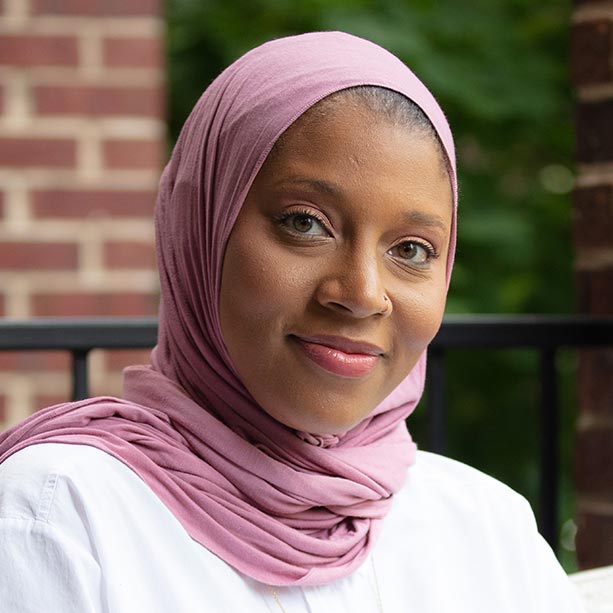
Jade Rivera shares how she built a micro-school for neurodivergent kids—and how homeschooling and micro-schooling can offer better solutions for kids who learn differently.
“Unschooling has been the perfect choice for my son with a disability and is a great option for other parents to look into if their children have disabilities as well.”
Unschooling is Flexible
Unfortunately my son has several seizures a day, which sometimes can alter our schedule, but utilizing unschooling and self-directed learning gives us the flexibility to learn at any time. If he were in school, he wouldn’t have the opportunity to rest when needed, and to pick back up on learning when he’s ready. This means he can take a mid-morning nap after having medication, and then do some engineering after lunch time. We also have several doctor’s visits that are usually during the middle of the day. There is no need for a school excuse when you can just pick up and go. It’s all up to your family how you structure your day, which is great for young people with disabilities.
Go deeper
Becoming Yourself: Neurodiversity and Self-Directed Education
Self-Directed Education enables us to take very different educational pathways with our children which particularly suits those who do not fit the mainstream mould.
Unschooling Allows Learning at One’s Own Pace
When young people with disabilities are unschooled, they aren’t held to the same standards that exist in traditional school. They have the ability to explore their interests on their own timing. My son loves entomology and engineering, and when he’s able to, he spends all of his time exploring and learning all he can about these two topics. I don’t have to push him to be prepared for any tests, or to do any homework. He can learn what he wants, when he wants to, and that is perfectly fine and highly encouraged in our home.
Go deeper
Common doubts and Questions
Unschooling nurtures real-world learning through curiosity, not rigid timelines. It’s legal, affordable, doesn’t require a teaching degree, and still offers social events like prom and community engagement.
Unschooling Allows Young People with Disabilities to Find their Passions
A few weeks ago my son had a neuropsych evaluation offered by his doctor, and she was consistently amazed at how much he knew about the things that he loved. She even said she wished many other parents looked into self-directed learning for their young people with disabilities because it would help to remove some of the pain points they face when their young people are in traditional school.
Every day in my son’s world, it’s all about what he’s interested in and passionate about, and how we are managing his disability. There is no need to focus on the minutia like in traditional school settings. This is the best way to prepare him for his future.
When raising young people with disabilities there is so much to manage, from health to education. Unschooling takes the guesswork out of the educational aspect of their lives and allows them to enjoy learning. Every young person living with a disability is special and individual, and we have to nurture their uniqueness.