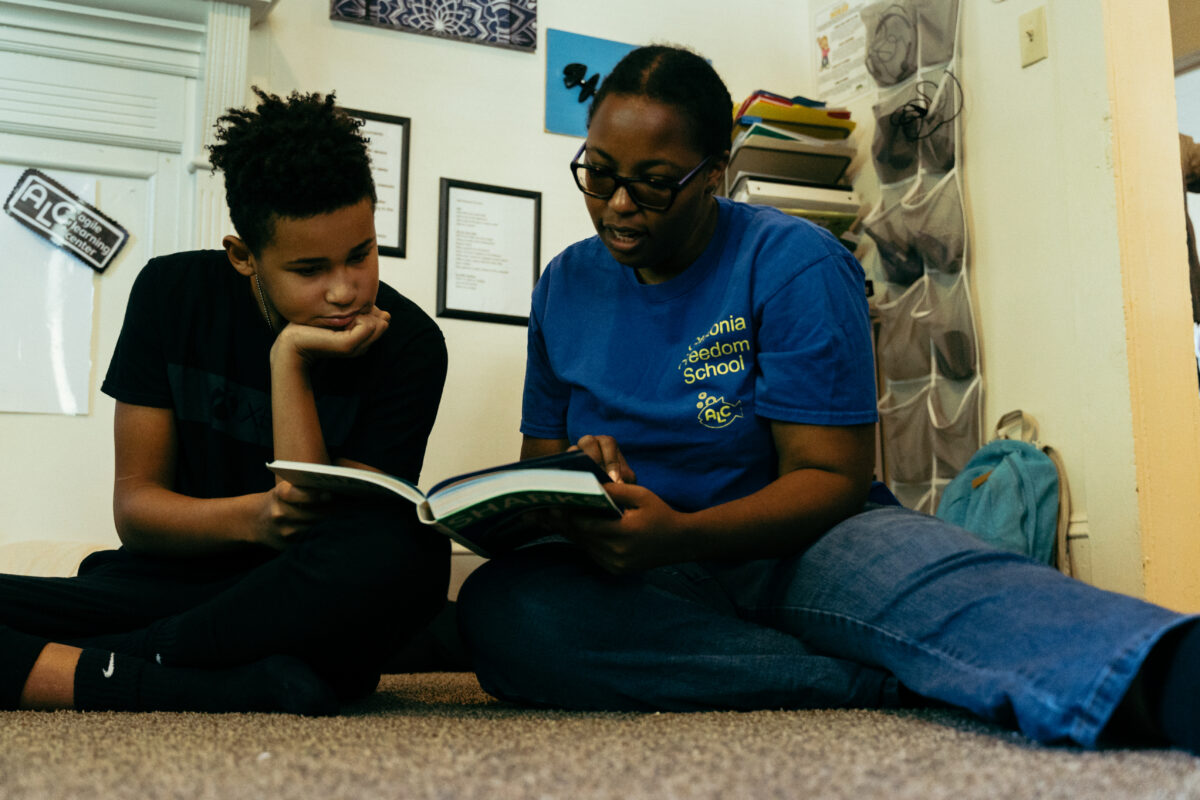
Recommended Reading For Your Unschooling Journey
Whether your family is seasoned practitioners or just starting out, these recommended reads will enrich your journey in independent meaningful learning. These books offer personal insights, practical advice, valuable perspectives, and research to help you navigate this self-directed educational path with confidence.
While we’d love to say the days of parenting through command and control are behind us, the reality is many of us were raised this way. It’s what’s been normalized in society and often all we know. Shifting to a parenting style rooted in empathy, trust, and understanding can feel unfamiliar—but by exploring independent meaningful learning, you’re already taking steps toward a new approach.
Below, we compare traditional parenting responses with alternatives that foster agency, emotional intelligence, and connection.
When Your Young Person Won’t Eat the Meal You Made
- Traditional Response: You better eat up! There are starving kids in ___.
- Growth-Centered Response: What about the meal is unappetizing to you? Would you like to help decide what we make for dinner tomorrow?
When Grandma Wants a Hug Goodbye, but Your Young Person Refuses
- Traditional Response: Give Grandma a kiss. Don’t embarrass us.
- Growth-Centered Response: You’re not feeling comfortable, huh? That’s okay. Maybe a high five or a wave instead?
When Your Young Person Doesn’t Want to Wear a Jacket in the Cold
- Traditional Response: You’re not leaving without a jacket!
- Growth-Centered Response: I know you don’t always like jackets. I’ll bring one in case you change your mind.

How To Get Started With Self-Directed Education
To start self-directed education, handle legal steps, embrace deschooling, define family values, build a support network, and trust your child’s curiosity—no new supplies or structure required!
When Math Becomes a Daily Struggle
- Traditional Response: If you don’t do this, you’ll fall behind.
- Growth-Centered Response: There are lots of ways to learn math. What about this way doesn’t work for you?
When Video Games Seem to Take Over
- Traditional Response: Turn that off! It’ll rot your brain.
- Growth-Centered Response: You’ve been playing a while—want to take a stretch break or grab a snack?
When Your Young Person Is Frustrated with Their Drawing
- Traditional Response: It looks fine! You’re overreacting.
- Growth-Centered Response: What part is frustrating for you? Let’s find a reference picture and see how we can improve it.
When They Want to Quit an Activity You Signed Them Up For
- Traditional Response: We’re not quitters! Stick it out.
- Growth-Centered Response: It seems like your heart isn’t in it. What would make this experience better for you?
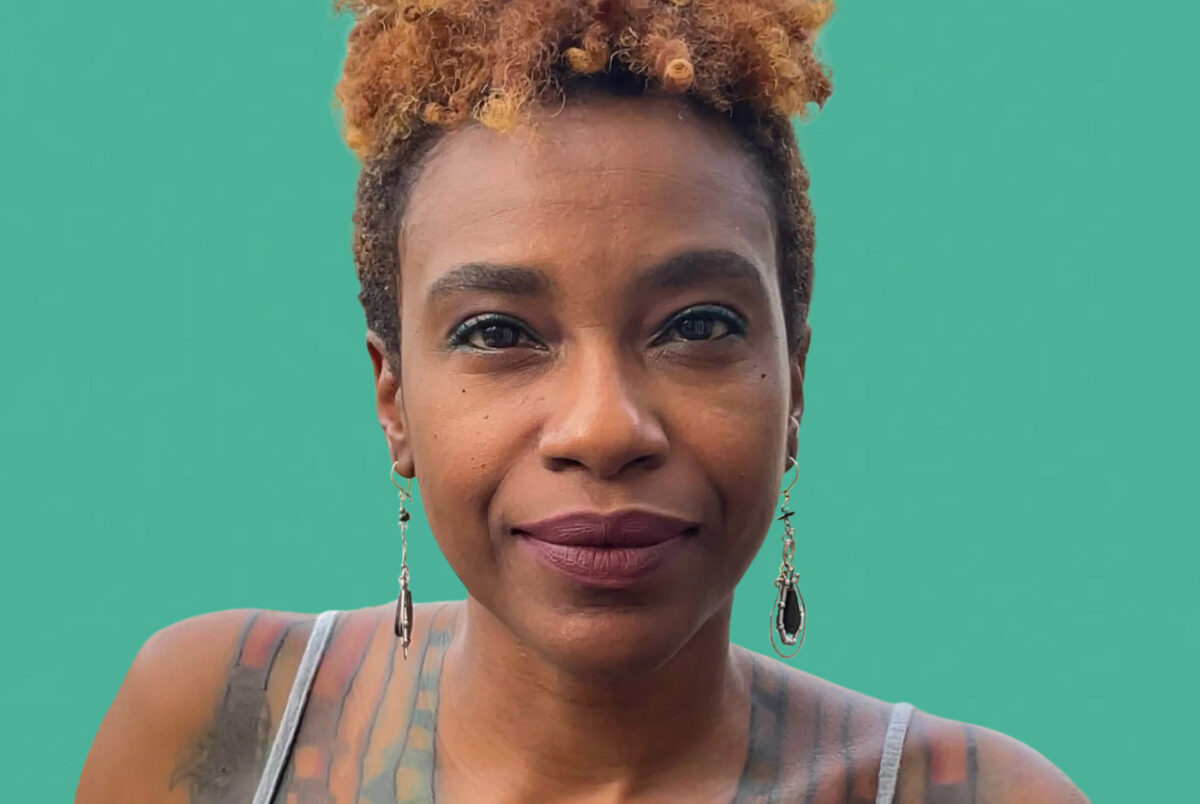
Unschooling and Money
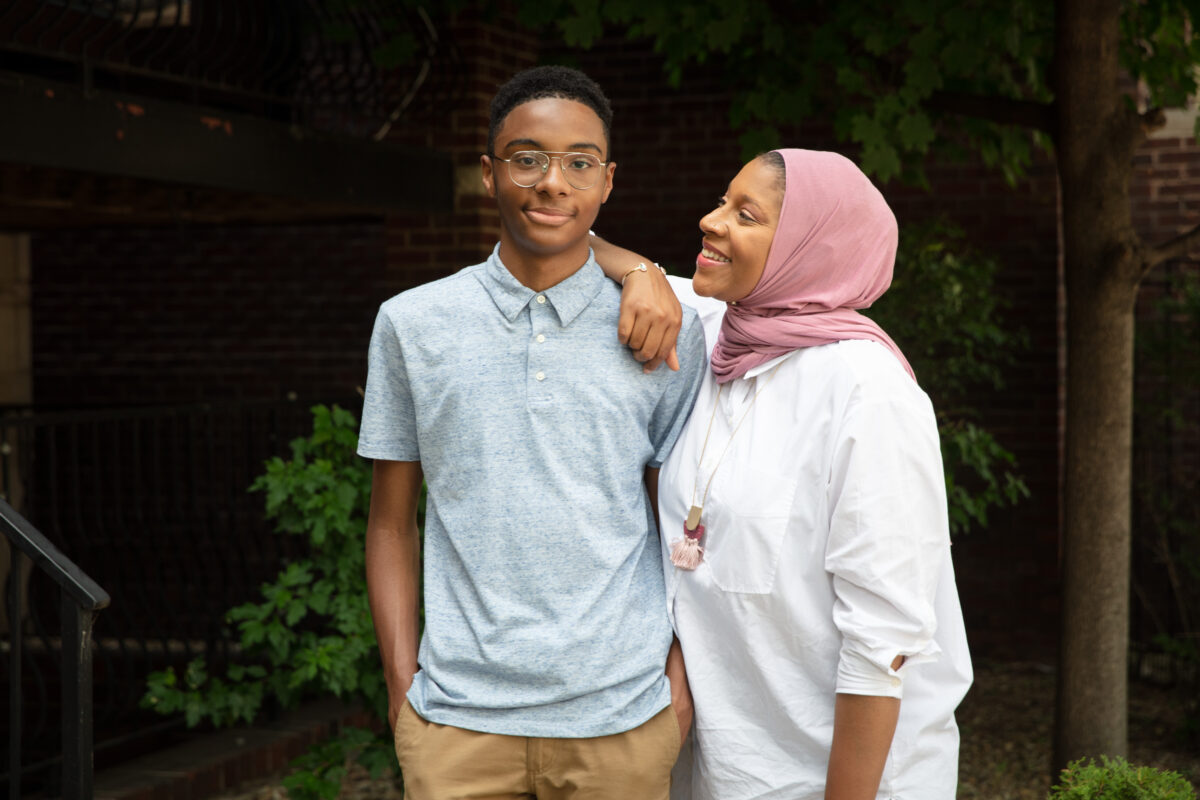
Unschooling helped Akilah S. Richards reclaim time, energy, and self-trust—shifting from survival mode to intentional living. It’s not just for the privileged; it’s a path to liberation beyond societal limits.
When They Haven’t Learned to Tie Their Shoes Yet
- Traditional Response: Everyone your age can tie their shoes. What’s your excuse?
- Growth-Centered Response: Are you interested in trying again? If not, that’s okay—we can build fine motor skills and come back to it later.
If the traditional parenting examples feel familiar, consider the impact those responses might have on a young person’s confidence and sense of self. By shifting toward curiosity and compassion, we open up space for deeper understanding, connection, and growth.
When we listen with empathy, we foster trust. When we stay curious, we create opportunities for learning—together.