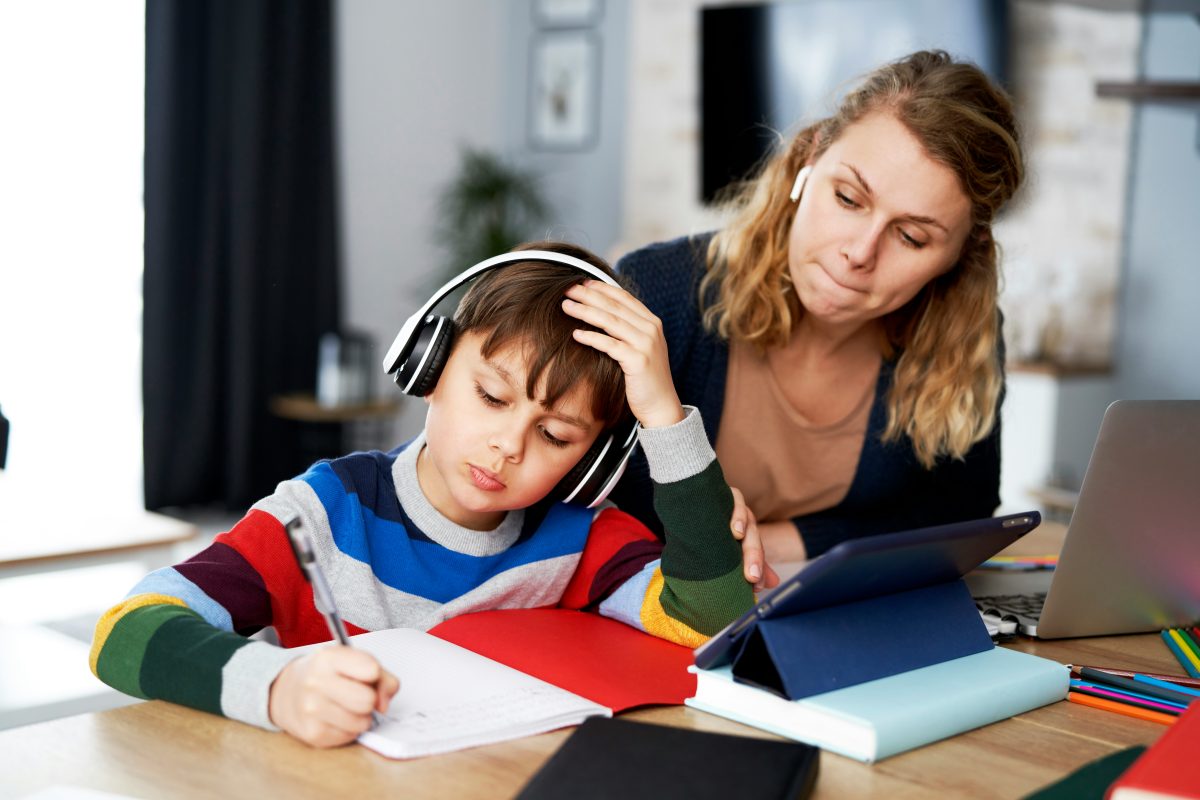
Podcast: When Educators Become Parents: What Changes When It’s Your Child
In 2025, Mosaic partnered with the Institute for Self-Directed Learning to look more closely at a quiet but growing shift. We surveyed past and present educators who had stepped away from conventional schooling to embrace independent learning — including self-directed education, unschooling, homeschooling, and microschools.
Again and again, their stories echoed the same truth: they didn’t leave because they stopped believing in education, but because they couldn’t keep watching curiosity fade in the children they cared about most. This resource brings those insights to life through a companion podcast episode, When Educators Become Parents: What Changes When It’s Your Child, featuring Daniel T. Moeller and Leslie Bray, alongside a reflective blog by Bonnie Benjamin-Phariss and Leslie Bray exploring what happens when educators choose curiosity, connection, and trust over control. Together, these pieces offer a grounded, human look at what changes when learning becomes personal again.
Collective Members can explore key takeaways and practical tips below, along with a full video version of the podcast and curated additional resources.
A limited version of this resource is available to all users.
Full access to additional content and insights is available to Mosaic Collective Members.
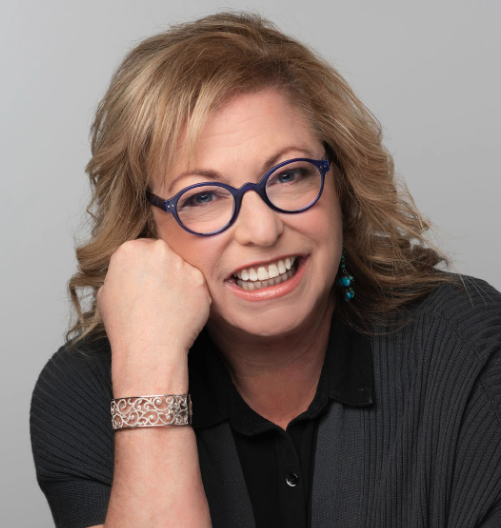
A communications and storytelling leader, Bonnie works at the intersection of philanthropy, collaboration and action. She supports families, educators and partners as they explore non-traditional learning with clarity and confidence. With a background in strategy, media and movement-building, she brings a values-first approach rooted in kindness, truth, humor and integrity.
Leslie W. Bray
Advisor and Guide at Mosaic
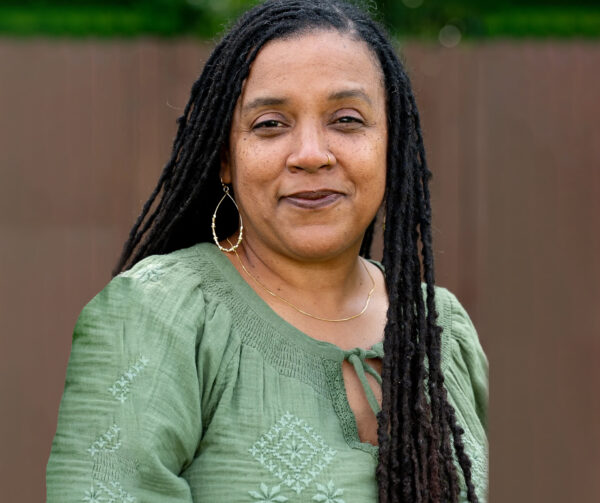
A former classroom teacher turned unschooling parent, she guides parents, caregivers and educators towards trust-centered, curiosity-led learning, through self-awareness, connection and community.
Daniel T, Moeller, M.S.Ed.
Advisor and Guide at Mosaic
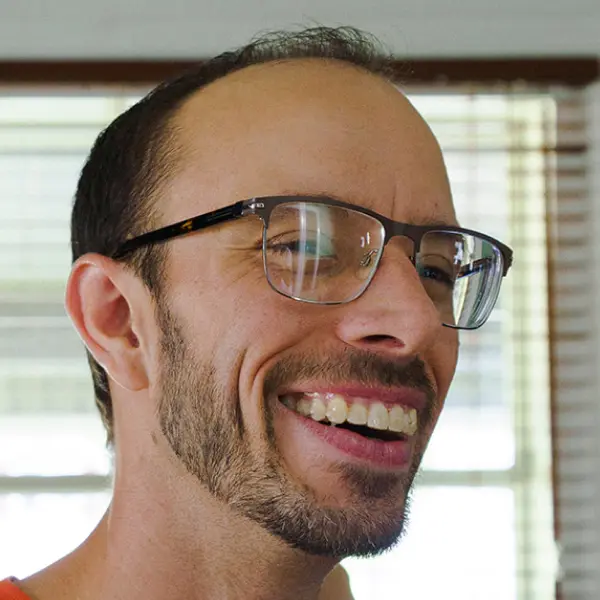
Dan is a teacher-turned-unschooling father, parenting coach, and advisor for self-directed education. He advocates consent, youth empowerment, and connection. He has an affinity for children, creativity, and organic play having spent much of his life as a teacher and around families. He partners with his son on theirUnschooling With Kai podcast and their hilarious chapter bookBunny Stampede. While not wrapped up in the other parts of life, he enjoyswriting about all things unschooling, reading, watching movies, skateboarding, wall-climbing, humor, making friends with his local squirrels and crows, and spending time with his family.